



Before, it was a PDF on the 1st of every month
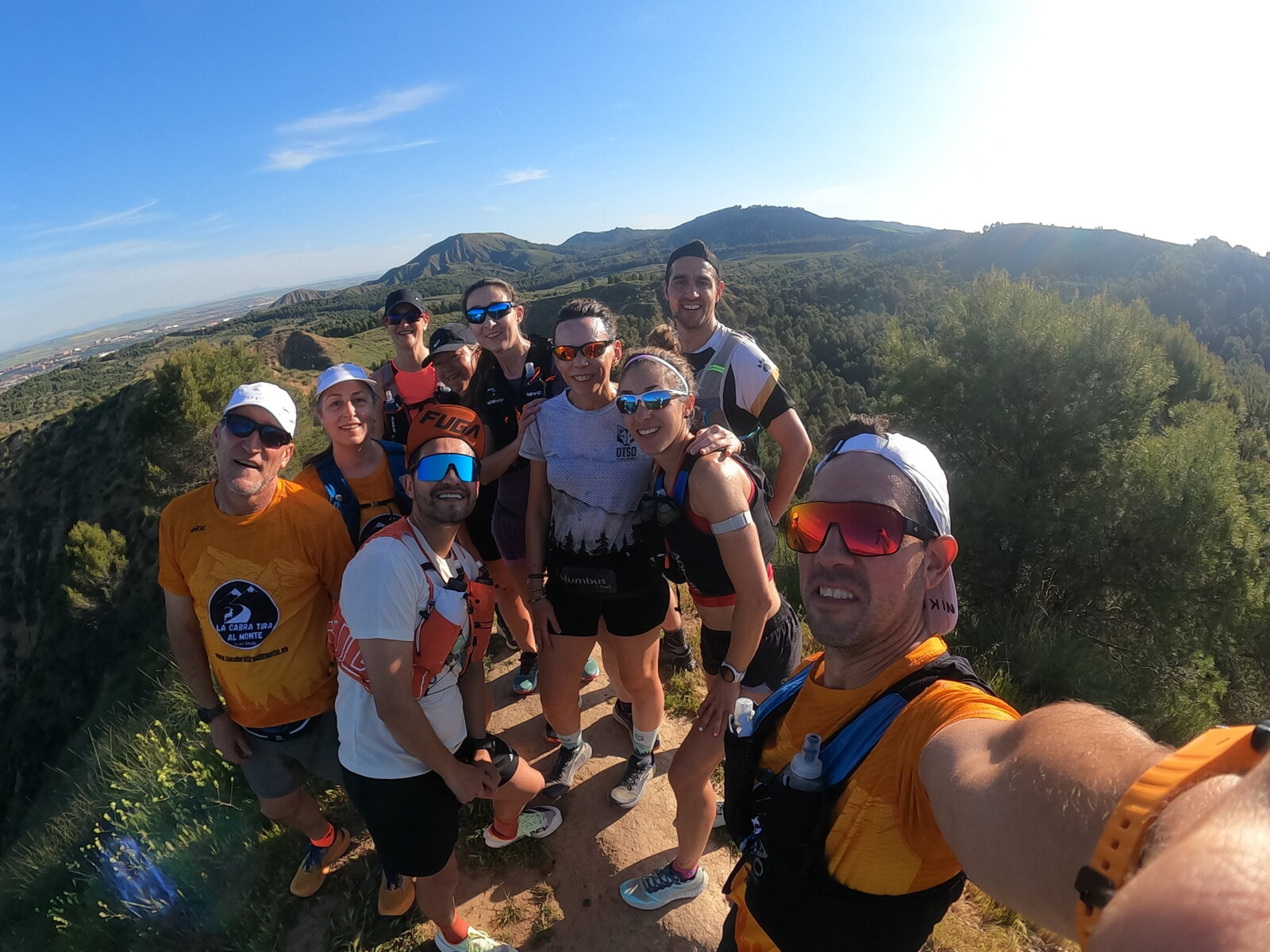
Julio Cabrera runs La Cabra Tira al Monte, a trail running club in Alcalá de Henares with around 50 runners. Most train in groups, with one shared plan for the whole month; a few follow a personalised plan.
For years the system was Excel: the plan was written in a spreadsheet and, on the 1st of every month, each runner got their PDF. It worked, but every month started with the same job of preparing, exporting and sending, and the runner was left with a document to read, not a workout to follow.
Before TrainerPlan, Julio spent three months trying another platform. The leap from Excel was already obvious, but something didn't fit.
"Obviously the change from Excel to a platform is huge, I experienced that in the 3 months with another platform, but despite the time saved and the huge amount of data, I found it not very intuitive to work with, especially when splitting runners into groups, etc."
Groups, which is how a club works
For a club, groups aren't an extra: they're the way of working. That's what decided it.
"That's what encouraged me to try TrainerPlan and what really satisfied me: being able to split runners into groups, since some are personalised plans but most are group plans, which I also send out for the whole month."
Today his month has a clear rhythm. At the end of the month he creates each group's dynamic plans, adds the workouts and that part is done. On Mondays he reviews the week of the runners on personalised plans and talks to them through the app.
- Dynamic plans for groups — the plan lives on real dates and is shared with the group; if Julio changes something, everyone sees it.
- Personalised plans where needed — runners with their own goals have their own plan and a weekly review.
- Workouts on the watch — with a compatible watch, each session arrives with its paces, ready to follow on the run.
- Payment tracking — each month's fees, tracked in the same place the club lives.
Locations in the plan, not on WhatsApp
The club's in-person sessions change venue every time. That used to mean sending locations over WhatsApp and answering the same questions over and over. Julio found a shortcut inside the plan itself.
"I hold the group sessions in a different place each time, and I used to be on WhatsApp sending locations, etc. Now I had the idea of adding the location link to each in-person session in the dynamic plan (every Tuesday and Thursday), so they only have to look there and I don't have to keep answering WhatsApps."
Fee payments left the spreadsheet too. With payment tracking, Julio sees at a glance what should come in each month and only has to check the figures add up.
What changed
"I probably save around 20 hours a week compared with when I worked with Excel."
The number of runners on personalised plans hasn't grown; the groups have. People join to train in a group, but Julio is clear that getting the workouts on their watch, with paces, is added value he couldn't offer before.
What it takes to design a long plan changed too. The library takes effort at the start, but after that every new plan builds on what's already there.
"It's definitely well worth using TrainerPlan. At the start you put quite a few hours into building your library, etc., but afterwards you only have to add static or dynamic plans, adjust rest days, etc., and a personalised 16-week plan that used to take me 3 evenings to design, I'd now say I have ready in 2 to 3 hours. On top of the bonus for the runner, if they have a compatible watch, of getting the workouts and following them, rather than just reading them in a PDF."