



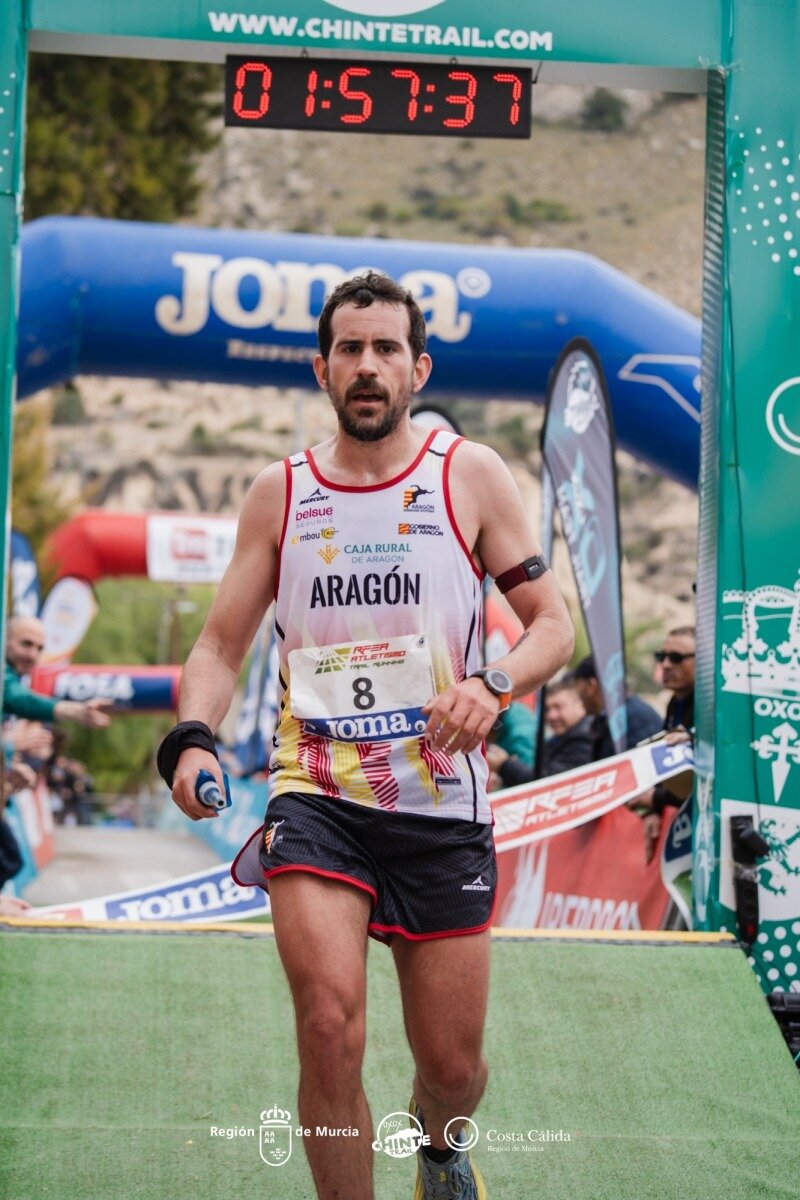
Growing without losing closeness
Carlos Jávega has been coaching for more than ten years and bet on online coaching almost from the start. With Kms por un Sueño he works from Teruel with trail runners, road runners and other endurance athletes.
Growth brought the usual problem: every new athlete adds planning, follow-up and conversations. And in an online service, the value lies precisely in each person feeling that their plan is theirs.
"As the number of athletes grew, the work of planning, follow-up and communication grew enormously too. The hardest part was getting all that information organised in one place and, above all, being able to keep a truly individual service when you work with many athletes at once."
In trail running, individualising isn't optional. Two runners with the same goal can need completely different weeks.
"In sports like trail running it isn't enough to set kilometres and elevation. Every athlete has a different context: availability, the terrain they train on, goals, level, experience, strength, races and, of course, how they're feeling week to week."
A library built over years
Carlos has been on TrainerPlan since December 2018, and today it's one of his main everyday tools: he plans workouts, organises seasons and races, analyses what his athletes do and keeps the conversation going through their comments and how they feel.
The piece he values most is the one he has built himself: a library of sessions designed for trail running, which lets him work fast without falling into generic plans.
"After so many years of work, I've built up a very large library, especially focused on trail running, that lets me work much more nimbly without losing individualisation."
When the plan has to change
No plan survives real life intact. The difference is how much it costs to adjust.
"In real training things rarely go exactly as planned: work, travel, niggles, fatigue, changes of goal come up, or simply weeks when the person needs to ease off. Being able to adapt it quickly is essential."
- Seasons and races — each athlete's races live in their calendar and shape the season's planning.
- Quick adjustments — move, change or swap sessions when the week changes, without rebuilding the whole plan.
- Comments and feelings — what the runner says about each session stays next to the workout, not lost in a chat.
- Analysis of what was done — every synced workout sits next to what had been planned.
More athletes, more projects
"Above all, I've gained the capacity to work with more athletes while keeping close, individual follow-up."
Today Carlos manages very different profiles: from people starting to run in the mountains to runners competing in championships or part of development programmes. And his project is no longer only online: he's involved in a trail school, a sports club and development and competition projects.
"TrainerPlan lets me keep organised an amount of information that would be very hard to manage any other way, and spend more time on what really matters: analysing, making decisions and talking to the athlete."
Behind every plan, a person
After more than a decade of coaching, Carlos's conclusion isn't about technology.
"You can have lots of data, charts, training zones and tools, but what really makes the difference is knowing the athlete, listening to them and knowing how to adapt the training to their life."
And his advice for those starting out is just as clear.
"To a coach who's starting out I'd say: build your own method, keep and organise all the work you create, and use technology to save time, but never to distance yourself from the athlete. For me, a good platform has to achieve exactly that: that we spend less time managing and more time coaching people."